Subscription businesses in streaming and digital media often need more than a system for collecting recurring payments. They may also need subscriber accounts, content entitlements, payment recovery, checkout, identity management, customer support, analytics, and subscription access across web, mobile, and connected TV.
Recurly is one option for managing recurring subscriptions, but different businesses have different technical and operational requirements. Some may prioritize billing flexibility, while others need broader subscriber infrastructure or Merchant of Record services. The following Recurly alternatives cover several approaches, with particular attention to streaming and media subscription businesses.
1. Cleeng
Cleeng is a subscriber management platform designed for direct-to-consumer digital subscription businesses. Its product suite includes Core for subscriber management, ChurnIQ for subscriber analytics, Merchant for payment and checkout management, and Hi5 for customer support. These components can be used separately or together depending on a business’s requirements.
For companies specifically looking for a Recurly alternative for streaming, Cleeng provides functionality covering recurring billing, payment retries, entitlements, checkout, account portals, identity management, free trials, coupons, and one-time purchases. Its platform also supports subscription management across multiple channels, including web, mobile, and connected TV environments.
Cleeng Features for Streaming and Media
Subscriber management: Cleeng’s Core system is designed to manage subscriber accounts, offers, subscriptions, and entitlements. Entitlement management determines whether a subscriber has access to particular content based on their active offer and configuration.
Billing and payments: The platform supports recurring billing and automated payment retries for failed payments. Businesses can also configure checkout experiences, free trials, coupons, and one-time purchases according to their subscription model.
Multi-channel subscriptions: Streaming businesses frequently sell subscriptions through more than one consumer channel. Cleeng provides API-based infrastructure for synchronizing externally managed purchases across mobile stores, smart TV platforms, direct carriers, and other channels. Some mobile and multi-channel functionality on the Pro tier is subject to Cleeng’s certified-partner requirements.
Identity and APIs: Cleeng provides APIs for creating offers, managing subscriptions, and processing payments. This can allow technical teams to connect subscription functionality with an existing content, identity, application, or commerce architecture rather than replacing the entire technology stack.
Retention analytics: ChurnIQ provides subscriber data and churn-related analytics. It can be used to examine subscription and revenue metrics and create segments that can be exported or sent through webhooks to other business systems. Cleeng’s broader Subscriber Retention Management, or SRM, approach combines subscriber management, analytics, payments, and customer care.
Subscriber support: Hi5 is Cleeng’s customer-support solution for digital subscription businesses. It includes a self-service help center, AI chatbot functionality, ticketing, agent support, and customer-support analytics.
Merchant of Record: Businesses can optionally use Cleeng as a Merchant of Record. Its Merchant offering covers payment processing, tax calculation and remittance, fraud management, and chargeback handling. This is separate from simply using Cleeng’s subscriber-management capabilities.
Cleeng Pricing
Cleeng’s current Pro pricing is $0 for up to 10,000 monthly subscribers, followed by $0.39 per subscriber beyond that threshold. The Pro plan has no setup or monthly platform fee.
The Enterprise plan uses tailored pricing for high-volume businesses with modular requirements. Cleeng describes Enterprise as providing additional configurability and integration options.
For businesses using the optional Merchant service, the listed promotional price is $0.35 + 3.5% per transaction through September 30, 2026. Cleeng states that after the promotion, the standard pricing is $0.39 + 3.9% per transaction.
The Merchant fee is intended to cover the associated payment and Merchant of Record services, while the exact commercial setup depends on the products and services a business selects.
Who Is Cleeng For?
Cleeng is aimed at D2C subscription businesses, including streaming and digital media companies. Its documented use cases also extend to sports, memberships, learning, gaming, digital creators, and other businesses that sell recurring digital access.
Its broad feature set can be useful for businesses that need subscriber management and billing alongside entitlements, analytics, support, and cross-platform subscription infrastructure.
A potential limitation is that businesses looking only for basic recurring billing may not require the broader subscriber-management and retention functionality. Organizations should also verify which integrations or multi-channel capabilities require certified partners and which are available directly on their selected plan.
2. Stripe Billing
Stripe Billing is a subscription and billing layer within the broader Stripe ecosystem. It is relevant to businesses that want recurring billing capabilities alongside Stripe’s payment infrastructure.
Its position differs from Cleeng because Stripe is primarily a general payment and billing ecosystem rather than a platform specifically centered on streaming subscriber management. Companies can use it for subscription billing, recurring payments, invoices, and related payment workflows, while additional systems may be required for specialized content entitlements, subscriber support, or media-specific requirements.
For a streaming business already built around Stripe, the existing payment infrastructure can be an important consideration. However, companies should assess the amount of additional development needed to connect billing with identity, content access, connected TV, analytics, and customer-service systems.
3. Chargebee
Chargebee is a subscription management and recurring billing platform that can support businesses with more involved subscription structures. It is commonly considered by companies that need subscription lifecycle management alongside billing and revenue-related workflows.
Compared with a streaming-focused subscriber infrastructure approach, Chargebee may require additional systems for certain media-specific functions. A streaming provider should therefore examine how subscriptions, payment status, entitlements, customer identity, and content access will be synchronized.
Chargebee can be relevant when billing flexibility is the primary requirement, particularly for organizations managing multiple subscription products or pricing structures. The overall implementation should be evaluated based on the existing technology stack.
4. Paddle
Paddle takes a different approach by combining digital subscription commerce with a Merchant of Record model. Rather than requiring the business to manage every payment and tax responsibility independently, the Merchant of Record structure can handle certain payment, tax, and compliance functions.
This can be relevant to digital businesses selling internationally. However, streaming companies should distinguish between payment and tax management and the broader subscriber infrastructure required to operate a media service.
If a business needs sophisticated content entitlements, connected TV subscription synchronization, identity management, or specialized subscriber support, it should assess what additional technology would be required alongside Paddle.
5. Zuora
Zuora is an enterprise subscription management and monetization platform designed for businesses with complex subscription and revenue models.
Its enterprise orientation makes it relevant to organizations managing sophisticated billing structures, multiple products, or complex commercial operations. For large media businesses, the platform can be considered alongside other enterprise subscription systems.
The key consideration for a streaming company is how much of its required subscriber experience is handled directly by the billing platform and how much must be provided by surrounding systems. Content access, identity, mobile purchases, connected TV, and customer support may involve additional components depending on the implementation.
6. Recurly
Recurly remains a relevant option for subscription businesses that need dedicated recurring billing and subscription management. It can serve as a baseline when evaluating alternative platforms.
The comparison becomes more useful when businesses look beyond basic recurring billing. Streaming companies should consider whether they need specialized entitlement management, cross-platform subscription synchronization, retention analytics, branded subscriber support, or Merchant of Record services.
These requirements can influence the technology stack that sits around a billing platform and therefore affect implementation complexity.
Cleeng vs. Other Recurly Alternatives
| Platform | Primary focus | Relevant consideration for streaming |
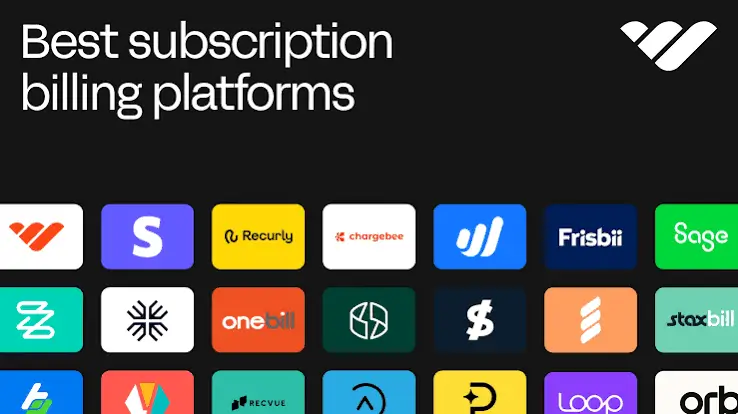
| Cleeng | Subscriber management and D2C subscription infrastructure | Billing, entitlements, multi-channel subscriptions, retention analytics, support, APIs, and optional Merchant services |
| Stripe Billing | Payments and subscription billing | Useful for businesses already using Stripe; specialized subscriber functions may require additional systems |
| Chargebee | Subscription management and billing | Suitable for businesses with varied subscription and billing requirements |
| Paddle | Digital commerce and Merchant of Record services | Relevant for businesses seeking bundled payment and tax/compliance responsibilities |
| Zuora | Enterprise subscription management and monetization | Designed for complex subscription and enterprise requirements |
| Recurly | Subscription billing and management | Dedicated subscription billing option for recurring-revenue businesses |
The platforms are not identical categories. A business comparing them should first identify whether it needs primarily billing software, a broader subscriber-management system, or an infrastructure layer that also addresses payments, support, analytics, and compliance.
Key Factors When Choosing a Recurly Alternative
Subscriber and Entitlement Management
For streaming services, payment status is only one part of the subscription lifecycle. The system also needs to determine what content a subscriber can access and when that access should change.
Businesses should examine how each platform handles plans, entitlements, upgrades, cancellations, trials, passes, and changes in subscriber status.
Billing and Payment Recovery
Recurring payment failures can require automated retries and customer communication. Compare how each provider handles recurring billing, payment retries, checkout, refunds, trials, coupons, and one-time purchases.
The objective should be to match the platform’s documented capabilities to the company’s payment workflows rather than assuming that every billing platform handles these processes in the same way.
Web, Mobile, and Connected TV
A streaming service may sell access through its website, mobile applications, smart TVs, or other platforms. This can create multiple purchase sources that need to remain synchronized.
Businesses should therefore verify whether a platform supports their required channels directly, through APIs, or through certified integration partners.
Retention and Churn Analytics
Subscription businesses often monitor churn, payment recovery, subscriber activity, and other indicators when evaluating their customer lifecycle.
Cleeng’s ChurnIQ is designed for this type of subscriber analysis, while its broader SRM approach combines analytics with subscription management, payment, and customer-care capabilities.
Analytics can help teams understand subscriber behavior, but the presence of an analytics platform does not by itself guarantee a particular churn reduction, conversion rate, or revenue result.
Customer Support
Subscriber support can become an important part of subscription operations, particularly when customers have questions about billing, access, cancellations, or account management.
Cleeng’s Hi5 provides a branded support environment with a help center, chatbot, ticketing, agent support, and analytics.
Other platforms may require businesses to integrate separate customer-service systems, so this should be included in the overall technology assessment.
Merchant of Record Requirements
International subscription businesses may need to consider sales tax, VAT, payment compliance, fraud, and chargebacks.
Cleeng’s optional Merchant service is designed to handle these areas as part of its Merchant of Record offering.
This is an important distinction when comparing a subscription-management platform with a Merchant of Record provider. The fees and responsibilities are not directly comparable unless businesses account for which payment, tax, and compliance services are included.
Which Alternative Fits Different Requirements?
There is no single subscription platform that provides the same combination of functionality for every streaming or media business.
A company that primarily needs a general-purpose billing layer may evaluate Stripe Billing or Chargebee. A digital business looking for a Merchant of Record model may consider Paddle. Larger organizations with complex enterprise subscription requirements may examine Zuora.
Cleeng is particularly relevant when the requirement extends beyond recurring billing into subscriber management, entitlements, cross-platform subscription infrastructure, retention analytics, customer support, and optional Merchant of Record services. Its Pro plan also provides a free entry point for up to 10,000 monthly subscribers, subject to the plan’s terms.
Final Considerations
Choosing a Recurly alternative for a streaming or media business requires looking at the complete subscriber lifecycle rather than comparing billing features in isolation.
Cleeng combines subscriber management, recurring billing, payment retries, entitlements, checkout, identity management, analytics, customer support, and optional Merchant services within its broader D2C subscription platform. Its API-based architecture also allows businesses to connect subscription functionality with an existing technology environment.
Other alternatives take different approaches. Stripe Billing centers on billing within the Stripe ecosystem, Chargebee focuses on subscription management and billing, Paddle combines digital commerce with Merchant of Record services, and Zuora targets complex enterprise subscription operations.
For streaming and media companies, the practical comparison should therefore cover billing, entitlements, subscriber identity, channel support, analytics, customer care, APIs, pricing, and payment or compliance responsibilities. Reviewing these requirements against each provider’s documented capabilities can help a business select infrastructure that matches its current subscription model and technical environment.