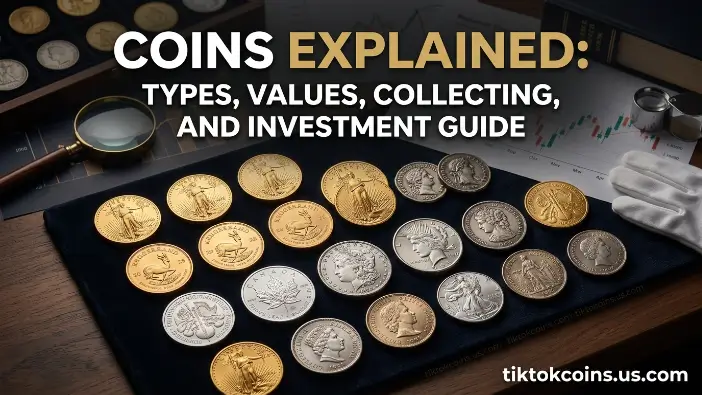
Coins have been a trusted form of currency for thousands of years and continue to play an important role in everyday life. They are used for purchasing goods and services, but their value extends far beyond ordinary transactions. Around the world, millions of people collect, study, and invest in coins because they reflect history, culture, craftsmanship, and financial worth.
The world of coins is more diverse and fascinating than many people realize. While some coins are worth little more than their face value, rare and historically significant pieces can be valued at thousands or even millions of dollars. Whether you are interested in building a coin collection, investing in precious metals, or simply exploring the history of currency, learning about coins can help you make smarter and more informed choices. In this guide, we will explore everything you need to know about coins, including their history, different types, collecting methods, and investment opportunities.
What Are Coins?
Coins are small metal pieces issued by governments or authorized institutions as an official form of currency. For thousands of years, they have played a key role in trade and commerce by providing a convenient and standardized way to pay for goods and services. Unlike paper money, coins are generally made from long-lasting metals such as copper, nickel, silver, and gold, which helps them withstand frequent use and remain in circulation for many years.
In the modern world, coins serve purposes beyond everyday transactions. They can also provide valuable insights into history and culture, making them popular among collectors and historians. In addition, certain coins, particularly rare or precious-metal pieces, can have significant collectible and investment value.
Definition of Coins
A coin is a small metal form of currency that is issued by a government or an authorized institution and given a specific monetary value. As legal tender, it can be used to purchase goods and services within the country or region where it is officially accepted. Most coins feature identifying elements such as national emblems, portraits, dates, and denominations, making it easier to determine their origin and monetary value. Since they are made from durable materials, coins can withstand frequent handling and typically last much longer than paper money.
However, coins are valued for more than their everyday use as currency. They can also represent important pieces of history, culture, and art. Official mints produce government-issued coins under controlled standards to maintain their quality and authenticity. Although ordinary coins are commonly used for daily transactions, collectors often search for older, rare, commemorative, or limited-edition pieces that can be worth significantly more than their original face value. These special coins can reveal fascinating details about past societies, major historical events, and changing artistic traditions, making them appealing to both collectors and investors.
How Coins Are Used Around the World
Coins remain an important part of economies around the world, particularly for everyday purchases and smaller transactions. They make it easier for consumers and businesses to pay exact amounts without relying on larger banknotes or needing change. Most countries issue their own coins, with designs that often feature national figures, famous landmarks, historical moments, cultural traditions, or symbols of national identity. In this way, coins serve a practical financial purpose while also reflecting the history and heritage of the country that produces them.
Beyond everyday spending, coins are also popular with collectors, investors, and people interested in history. Some individuals collect coins from different countries as souvenirs, while others use them as a way to explore different cultures and historical periods. Governments frequently release commemorative coins to celebrate important anniversaries, national events, achievements, and milestones. Since many of these special editions are produced in limited numbers, they may become desirable among collectors and potentially gain value over time, making them interesting both as collectibles and as long-term assets.
The Difference Between Coins and Paper Currency
Although coins and paper currency both serve as forms of money, they differ in several important ways. Coins are typically made from durable metals, making them more resistant to wear, tearing, and everyday damage than paper notes. As a result, they can remain in circulation for many years before needing replacement. Coins are generally associated with smaller denominations and routine purchases, while paper currency is more commonly used for higher-value transactions because it is lighter and easier to carry in larger amounts.
The way their value is determined can also differ. Certain coins, particularly those made from precious metals such as gold or silver, may have value based on the material they contain in addition to their stated denomination. In some cases, this can make them worth more than their face value. Paper currency, on the other hand, generally has little material value and relies primarily on government authority and public confidence. Although both forms of currency are important to modern economies, coins offer a distinctive combination of everyday usefulness, historical significance, collectible interest, and potential investment value.
Read Also: comprar monedas tiktok
The History of Coins
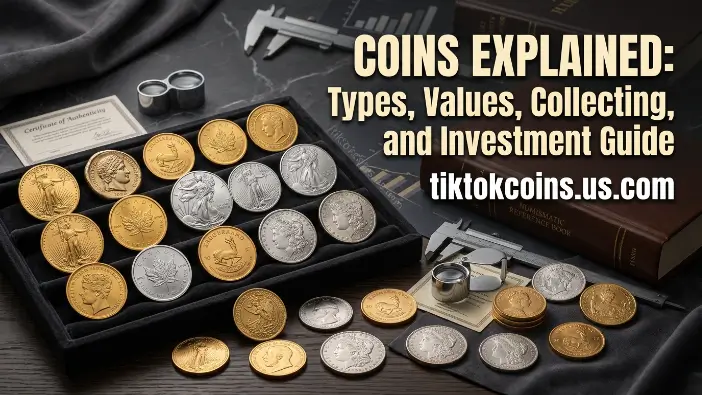
The history of coins dates back more than 2,500 years and is closely connected to the development of trade, civilizations, and economies across the world. Before coins were introduced, people primarily depended on barter, exchanging goods or services directly with one another. Although this system could work within small communities, it often created challenges because a successful exchange required both parties to have something the other person wanted.
The emergence of coins changed the way people conducted trade by providing a standardized and widely recognized method of payment. This made transactions more convenient, encouraged commerce, and supported the growth of developing economies. As civilizations evolved, coins took on meanings beyond their monetary purpose, becoming representations of political authority, cultural traditions, national identity, and economic strength.
Over the centuries, the designs, materials, and purposes of coins continued to change, reflecting the societies that produced them. Today, ancient and historic coins offer valuable insights into the people, rulers, economies, and cultures of the past.
The First Coins Ever Created
The earliest known coins appeared around the 7th century BCE in the ancient kingdom of Lydia, located in what is now Turkey. Before coins were introduced, people largely depended on barter, exchanging goods and services directly. However, this system was not always practical because a trade could only take place when both sides wanted what the other had to offer. The invention of coins provided a more convenient solution by creating a standardized form of payment that people could recognize, trust, and accept. These early coins were made from electrum, a naturally occurring combination of gold and silver, and featured official markings to indicate their authenticity and value.
The development of coins had a major impact on trade and economic activity throughout the ancient world. Merchants could complete transactions more efficiently without having to negotiate the value of every individual exchange. As the benefits of using coins became increasingly clear, civilizations such as the Greeks and Persians adopted coinage and began producing their own forms of currency. This helped strengthen trade routes, support economic development, and establish monetary practices that influenced later financial systems.
The invention of coins remains one of the most significant milestones in financial history. By providing a reliable way to exchange goods and preserve wealth, coinage fundamentally changed how people conducted business and contributed to the development of organized economies.
Ancient Coinage and Trade
Ancient coins were an important part of the development of trade, commerce, and economies across the ancient world. Before coinage became common, people often depended on barter, which could make transactions difficult and time-consuming. The introduction of standardized coins simplified these exchanges by giving buyers and sellers a commonly recognized measure of value. Civilizations such as the Greeks, Persians, Romans, and Egyptians produced their own coins, often featuring portraits of rulers, religious figures, animals, and other meaningful symbols. These images helped establish the authority behind the currency while also showcasing the traditions, beliefs, and influence of each civilization.
As trade networks expanded across Europe, Asia, Africa, and the Mediterranean, coins became increasingly important to merchants traveling between distant regions. Their portability and recognizable value made it easier for people from different cultures to conduct business, even when they did not share the same language or customs. Merchants could trade goods and resources more efficiently because coins offered a dependable method of payment.
The growing use of coins helped stimulate economic activity and strengthen connections between different regions. Along with goods and wealth, expanding trade routes also encouraged the exchange of ideas, technologies, and cultural practices. In this way, ancient coins were much more than simple tools for buying and selling—they also represented political authority, economic development, and the cultural connections that shaped the ancient world.
Evolution of Coins Through the Centuries
As civilizations grew and became more sophisticated, the design, quality, and manufacturing of coins also evolved significantly. During the Middle Ages, kingdoms and empires produced coins that functioned as currency while also representing political power and economic strength. Rulers frequently placed their portraits, coats of arms, and official symbols on coins as a way to display authority and build confidence in the currency. With trade expanding and economies becoming more complex, governments increasingly focused on producing standardized and dependable coins that could be recognized and accepted across different regions.
Advances in minting technology further improved the production and security of coins. Better techniques enabled mints to produce pieces with more consistent weights, shapes, and designs, making counterfeiting more difficult and helping strengthen public trust. As economic conditions changed, mints also began using different metals and metal combinations to manage costs and meet the needs of growing economies.
At the same time, the artwork featured on coins became more sophisticated and detailed. Portraits of rulers, national emblems, famous landmarks, and significant historical events were commonly incorporated into coin designs. These changes gave coins a purpose beyond everyday commerce, turning them into lasting records of a nation’s political history, cultural traditions, artistic development, and national identity.
Modern Coin Production
Today, coins are manufactured with sophisticated technology and highly accurate production methods designed to ensure consistency, durability, and security. Modern government mints use specialized equipment capable of producing millions of coins according to precise specifications. Each piece is carefully controlled for factors such as weight, diameter, thickness, and design, helping ensure that the finished currency meets official standards. Automated inspection and quality-control systems also check coins during production, identifying imperfections and maintaining accuracy before the pieces are released into circulation.
Modern coins are also designed with features that help make counterfeiting more difficult and protect confidence in a country’s currency. Alongside standard coins used for everyday transactions, mints produce special categories such as commemorative, proof, and bullion coins for collectors and investors. These pieces may include distinctive designs, limited production numbers, precious metals, or specialized finishes that make them particularly attractive to collectors.
By combining advanced manufacturing technology with skilled artistic design, today’s coins serve purposes that go beyond ordinary transactions. They remain practical forms of currency while also preserving important elements of a nation’s history, culture, heritage, and identity for generations to come.
Different Types of Coins
Coins are available in a wide variety of types, with each category serving a different purpose. While many coins are produced for everyday spending, others are specifically created for collectors, investors, or to commemorate significant people, events, and milestones. Learning about the different types of coins can help collectors and enthusiasts better understand what makes each piece unique and make more informed choices when starting or expanding a collection.
Each type of coin has its own features, production standards, and characteristics that can affect its rarity, condition, market value, and overall appeal. Whether you are interested in collecting historic pieces, investing in precious metals, or simply learning more about numismatics, understanding these categories provides a useful foundation for exploring the world of coins.
Circulation Coins
Circulation coins are the most common type of currency and are manufactured for regular day-to-day transactions. Government mints produce these coins in large quantities so they can be used to purchase goods and services. Since they are handled frequently, circulation coins are generally made from affordable and durable materials such as copper, nickel, zinc, or various metal alloys. Familiar examples include pennies, nickels, dimes, quarters, and other low-value coins commonly used for shopping, public transportation, vending machines, and exact payments.
In most cases, circulated coins are worth their stated face value. However, certain pieces can become valuable to collectors because of unusual characteristics. Rare minting errors, low production numbers, historically important dates, distinctive designs, or other uncommon features can make an ordinary-looking coin worth considerably more than its original denomination.
For this reason, collectors sometimes examine their everyday coins closely for unusual or rare examples. A seemingly ordinary piece with a significant minting error or scarce production year can potentially become a sought-after collectible. This makes circulation coins an interesting starting point for anyone curious about coin collecting and numismatics.
Commemorative Coins
Commemorative coins are specially produced to celebrate and preserve the memory of important events, historical milestones, national accomplishments, cultural traditions, or notable individuals. Unlike standard circulation coins, they are often minted in limited numbers and feature distinctive artwork created specifically for the occasion. Governments and official mints around the world issue commemorative coins for occasions such as major anniversaries, international sporting events, royal milestones, independence celebrations, and other historically significant moments. Their unique designs and limited availability make them particularly attractive to collectors and numismatic enthusiasts.
Beyond their historical and artistic appeal, commemorative coins can also have financial value. Their market worth may depend on several factors, including rarity, condition, collector demand, and the significance of the subject being honored. Some are produced using precious metals such as gold or silver, giving them additional material value alongside their collectible appeal. When a limited supply is combined with strong collector interest, certain commemorative coins can increase in value over time. This makes them appealing to collectors who want distinctive pieces as well as those interested in the potential long-term value of rare collectibles.
Gold Coins
Gold coins are among the most sought-after forms of coins, valued for their precious-metal content, historical importance, and distinctive appearance. Gold has been regarded as a store of wealth for centuries because of its durability and long-standing value. Today, collectors and investors may choose gold coins for their historical and artistic appeal as well as their potential role in preserving purchasing power during periods of economic uncertainty. Some are issued by governments as legal tender, while others are produced primarily for collectors or precious-metal buyers and contain a specified quantity of gold.
Several factors can influence the value of gold coins, including their gold content, purity, rarity, age, condition, and collector demand. A rare historical gold coin may command a substantial premium over its raw metal value because of its scarcity, craftsmanship, or historical significance. Throughout history, gold coins have often been associated with wealth and economic influence, and they continue to attract interest from collectors and people looking to hold physical precious metals.
For those interested in collecting, understanding the difference between a coin’s metal value and its collectible value is especially important. This distinction can help buyers evaluate gold coins more carefully and understand why two pieces containing similar amounts of gold may have very different market values.
Silver Coins
Silver coins are popular among both collectors and precious-metal enthusiasts because they combine historical appeal with the value of silver and are often more accessible than gold coins. Their relatively lower cost can make them an appealing starting point for people interested in collecting or exploring physical precious metals. Throughout history, governments around the world have produced circulating coins from silver, taking advantage of the metal’s durability and recognized value. As a result, many older silver coins remain interesting today because of both their silver content and their connection to particular periods in history.
The value of silver coins can come from several sources. While their silver content provides a material value, characteristics such as rarity, age, condition, historical importance, and collector demand can also have a major impact on their market price. Some older or particularly scarce pieces may be worth considerably more than their original face value.
For collectors, silver coins offer an opportunity to explore historical events, artistic designs, and different monetary systems. For those interested in precious metals, they can provide another way to hold physical silver. Because they combine tangible metal value with potential collectible significance, silver coins continue to attract interest from people with a wide range of collecting goals.
Bullion Coins
Bullion coins are specifically produced for investment and precious-metal ownership rather than everyday use as currency. They are typically made from valuable metals such as gold, silver, platinum, or palladium and contain a stated amount of the metal, often with a specified level of purity. Unlike ordinary circulation coins, bullion pieces are valued mainly according to the current market price of the precious metal they contain rather than their face value. Government mints and recognized producers issue many bullion coins, giving buyers greater confidence in their weight, purity, and authenticity.
Investors often consider bullion coins as one way to diversify their holdings and gain exposure to physical precious metals. Because their market value generally moves with precious-metal prices, they may appeal to people looking to hold tangible assets during periods of inflation or economic uncertainty. However, like other investments, their value can rise or fall depending on market conditions.
While certain bullion coins may carry an additional premium because of limited production, special designs, or collector demand, most are primarily valued for their precious-metal content. This makes bullion coins a relatively straightforward option for people interested in owning physical gold, silver, platinum, or palladium while also having a collectible form of the underlying asset.
Ancient Coins
Ancient coins are among the most intriguing artifacts left behind by early civilizations. Cultures such as the Greeks, Romans, Persians, Egyptians, and many others produced coins hundreds or even thousands of years ago. These pieces were used for everyday commerce, taxation, and trade, but they also served another important purpose: displaying the authority and influence of rulers. Ancient coins often feature portraits of kings and emperors, religious imagery, mythological characters, animals, and other cultural symbols. These details provide valuable evidence of the beliefs, traditions, and artistic styles of the societies that created them.
Because of their age, scarcity, and historical importance, ancient coins are highly valued by collectors, historians, archaeologists, and museums. A single coin can reveal information about the political climate, economic practices, military victories, and cultural traditions of a particular period. Unlike many modern collectibles, ancient coins have survived through centuries of social and political change, making them tangible links to civilizations of the past.
Their limited availability and individual histories add to their appeal. For collectors and researchers, ancient coins are not simply old pieces of metal—they are historical artifacts that can help bring the stories of earlier civilizations to life.
Proof Coins
Proof coins are specially manufactured pieces created to showcase exceptional detail, refined designs, and high-quality finishes. Unlike ordinary circulation coins, proof coins are generally produced for collectors rather than everyday spending. They are made using carefully prepared blanks and specially polished dies, with the coin often struck more than once to bring out fine details and create a distinctive, highly polished appearance.
Because of their detailed craftsmanship and usually limited production, proof coins are popular among collectors and numismatic enthusiasts. They are commonly placed in protective holders, capsules, or presentation boxes to help maintain their original condition and finish. Many proof coins are issued as commemorative pieces and may feature special designs or be produced in precious metals, adding to their appeal.
The combination of careful manufacturing, attractive presentation, limited availability, and artistic detail can give proof coins greater collectible value than comparable circulation issues. For collectors, they offer an opportunity to own carefully crafted pieces that emphasize both the artistry and precision of modern coin production.
Collectible Coins
Collectible coins are pieces of currency that attract collectors because of qualities such as rarity, condition, historical significance, distinctive designs, or unusual characteristics. They can come from many categories, including circulation coins, commemorative issues, ancient coins, proof coins, and precious-metal pieces. A coin may become collectible when it has something that sets it apart from ordinary currency, such as a limited mintage, connection to an important historical period, unusual minting error, or exceptionally well-preserved condition. Collectors often focus on specific themes, including particular countries, time periods, rulers, events, or types of coinage.
Several factors can influence the market value of collectible coins. Rarity, condition, collector demand, historical importance, and overall market trends can all play a role in determining how much a particular piece is worth. When a scarce coin is highly sought after, its market value may increase substantially compared with its original denomination.
Many enthusiasts build collections around carefully chosen themes and spend considerable time researching each piece before adding it to their collection. Beyond potential financial value, collectible coins provide an engaging way to explore history, culture, politics, and art. With careful research, proper storage, and informed purchasing decisions, collecting coins can be both an enjoyable hobby and a way to preserve tangible pieces of the past.
Understanding Coin Value
The value of coins depends on several factors rather than simply the denomination stamped on them. While many coins are worth only their face value, others can command much higher prices because of their rarity, condition, historical background, metal content, and collector demand. Understanding these factors is important for anyone interested in collecting, buying, selling, or evaluating coins. Each characteristic can influence a coin’s desirability and ultimately determine its market value.
Rarity
Rarity is one of the key factors that can increase the value of coins. When only a limited number of examples exist, finding a particular coin becomes more difficult, which can make it more attractive to collectors. Scarcity may result from a low original mintage, discontinued designs, unusual minting errors, or the survival of only a small number of pieces over the years.
Generally, scarce coins have greater potential to command a premium, particularly when collector interest is strong. However, rarity by itself does not guarantee a high price. Historical importance, condition, and market demand also have a major influence. When several of these qualities come together, a rare coin can become highly desirable within the numismatic market.
Condition and Preservation
The condition of coins is another major consideration when determining their collectible value. Pieces that have been well preserved and show little evidence of wear are generally more desirable than heavily circulated or damaged examples. Collectors often look for coins that retain clear design details, well-defined features, and attractive original surfaces.
Scratches, corrosion, discoloration, excessive wear, and improper cleaning can all reduce a coin’s appeal and potentially lower its market value. This is particularly important when dealing with rare or historically significant pieces, where even minor imperfections can make a noticeable difference. Proper storage in protective holders, capsules, or albums can help reduce unnecessary damage and preserve coins for the future.
Historical Significance
Historical importance can add considerable appeal to coins, transforming them from ordinary currency into tangible records of the past. Pieces associated with significant events, notable rulers, major conflicts, or ancient civilizations often attract considerable attention from collectors, historians, and museums. Such coins can provide evidence of how people lived, traded, governed, and expressed their cultural beliefs during different periods.
A coin connected to an important historical event or prominent ruler may be particularly desirable because of the story behind it. Its educational and cultural importance can add value beyond the metal from which it was made. The stronger the historical connection, the greater the potential interest among collectors and researchers.
Metal Content
The materials used to produce coins can contribute significantly to their intrinsic value. Pieces made from precious metals such as gold, silver, platinum, or palladium may be worth more than their face value because the metal itself has market value. The price of these coins can therefore be influenced by changes in precious-metal markets.
Metal content can remain an important source of value even when a coin has limited collectible demand. Gold and silver coins, for example, are often purchased because they provide a tangible way to own precious metals. Some pieces may also combine metal value with rarity, historical importance, or collector appeal, giving them multiple sources of potential value.
Market Demand
Market demand has a direct effect on the price of coins. When many collectors or investors are interested in a particular type of coin, competition among buyers can push prices higher. Interestingly, a coin does not always need to be extremely rare to become valuable; strong demand can increase the market price of pieces that are relatively more common.
Collector preferences, economic conditions, market trends, and interest in specific historical periods can all influence demand. For instance, increased interest in precious metals may raise demand for gold or silver coins, while collecting trends can draw attention to particular commemorative or historical issues. When strong demand meets limited availability, prices can rise substantially.
Coin Grading Systems
Coin grading systems provide a standardized way to describe the condition and quality of coins. Professional graders examine characteristics such as surface preservation, wear, luster, strike quality, and overall appearance before assigning a grade. A consistent grading system allows collectors, dealers, and investors to compare pieces more easily and make better-informed purchasing decisions.
Generally, higher-grade coins are more desirable because they have experienced less wear and retain more of their original characteristics. Professional certification can also provide greater confidence when buying or selling valuable pieces by offering an independent assessment of condition and authenticity. For this reason, grading has become an important part of the modern numismatic market and can have a significant effect on the perceived and market value of coins.
Coin Collecting for Beginners
Coin collecting is a fascinating and widely enjoyed hobby that combines learning, history, and potential financial value. For beginners, understanding how coins are made, what characteristics influence their worth, and how they should be stored and cared for can provide a strong foundation for building a collection.
Whether your interest lies in exploring history, discovering rare pieces, learning about different cultures, or understanding the potential value of collectibles, collecting coins can be both educational and rewarding. As your knowledge and experience grow, you can develop a collection based on your own interests and gradually discover the many stories and details hidden within different coins.
What Is Numismatics?
Numismatics is the study and collection of coins, banknotes, and other objects connected to money and monetary history. While coin collecting can simply be an enjoyable hobby, numismatics takes a broader and more detailed approach by examining the history, design, production, usage, and economic significance of these objects. Through this field, researchers and collectors can learn how coins developed and were used by different civilizations, governments, and societies over time, offering valuable insight into the evolution of trade and financial systems.
Numismatics also explores the cultural and artistic meaning found in coins. Designs often feature rulers, national symbols, religious imagery, landmarks, or major historical events, reflecting the identity and values of the society that produced them. Because of this, the study of coins connects several disciplines, including history, economics, archaeology, and art.
For collectors and researchers alike, numismatics provides an opportunity to understand the past through physical objects. It combines academic research with the enjoyment of collecting, making it a rewarding way to explore how coins and monetary systems have influenced the development of human civilization.
How to Start a Coin Collection
The metal composition of coins can have a significant impact on their intrinsic value. Pieces made from precious metals such as gold, silver, platinum, or palladium may be worth considerably more than their stated face value. In such cases, the market value of coins is influenced by the amount and purity of the metal they contain, as well as changes in precious-metal prices. These prices can fluctuate over time in response to global supply, demand, and broader economic conditions.
Even when a coin has limited historical or collectible appeal, its metal content can still provide a meaningful source of value. Gold and silver coins, for instance, are often considered by investors who want to own physical precious metals. Their value may also be influenced by factors such as inflation, currency movements, and changes in the wider financial market.
The combination of material worth and potential collectible appeal makes precious-metal coins particularly interesting. Depending on the individual piece, buyers may value them for their metal content, rarity, historical significance, or a combination of these characteristics. This gives metal-based coins an important place in both the numismatic world and the broader precious-metals market.
Essential Tools for Coin Collectors
Coin collectors use a variety of basic tools to examine, handle, organize, and protect their coins. One of the most useful tools is a magnifying glass, which makes it easier to inspect small details such as dates, mint marks, lettering, and other design elements that may be difficult to see with the naked eye. Coin albums are another popular option because they provide a convenient way to organize a collection while offering protection from unnecessary handling.
Proper handling is equally important when working with valuable coins. Collectors often use suitable gloves or handle pieces carefully by their edges to reduce the transfer of oils and dirt onto the surfaces. Even small amounts of residue or improper handling can affect the appearance of certain coins over time.
Collectors also rely on reference books, pricing guides, catalogs, and digital resources to identify and research their coins. These tools can provide information about dates, mint marks, varieties, rarity, historical background, and approximate market values. By combining careful examination with reliable research and proper organization, collectors can better understand their coins and build collections that remain well preserved and meaningful over time.
Coin Storage and Protection
Proper storage is essential for preserving the condition and long-term value of coins. Exposure to moisture, dust, pollutants, and unnecessary handling can gradually affect a coin’s surface and appearance. Problems such as corrosion, scratches, discoloration, and surface marks may reduce both the visual appeal and collectible value of certain coins. For this reason, collectors should choose storage methods that minimize environmental exposure and physical contact.
Protective holders, capsules, flips, and coin albums are commonly used to keep coins secure and organized. These options can help reduce handling and protect pieces from dust and other potential sources of damage. A stable, dry storage environment is also important, as excessive humidity and significant temperature changes may contribute to deterioration.
With careful handling and appropriate storage, coins can retain their condition, details, and appearance for many years. Good preservation practices are especially important for rare, historical, or high-value pieces, helping protect their significance and potential value for future collectors.
Common Beginner Mistakes
New collectors can sometimes make mistakes that affect the condition, authenticity, and potential value of their coins. Most of these errors come from a lack of experience or unfamiliarity with proper collecting practices. Since some types of damage can be permanent, learning the basics of handling, buying, and storing coins is an important first step for beginners.
Common mistakes include:
- Cleaning coins, which may leave scratches or alter their original surfaces
- Handling coins carelessly or touching their surfaces unnecessarily
- Purchasing coins without researching their authenticity and market value
- Paying too much for common or readily available coins
- Keeping coins in environments that expose them to moisture, dust, or physical damage
By avoiding these common errors, beginners can protect the condition of their coins, make better purchasing decisions, and gradually develop a more knowledgeable and valuable collection.
Rare and Valuable Coins Around the World
Rare and valuable coins are highly interesting to collectors, historians, and investors because they combine scarcity, history, craftsmanship, and financial value. Some have become famous because of remarkable stories surrounding their production or survival, while others have achieved extraordinary prices at major auctions. Learning what makes these pieces exceptional provides a better understanding of why certain coins can command prices reaching millions of dollars.
Famous Rare Coins
Some rare coins have achieved legendary status because of their scarcity, historical background, and unusual stories. Well-known examples include the 1933 Double Eagle, the 1794 Flowing Hair Silver Dollar, and the 1913 Liberty Head Nickel. Only a limited number of these famous coins are known to exist, making them exceptionally difficult for collectors to acquire. Their scarcity, combined with their historical importance, contributes significantly to their appeal and value.
Collectors and historians are interested in these coins for more than their rarity. Each piece has a unique story connected to its production, ownership, circulation, or survival. Some were never released into general circulation, while others became famous because of unusual circumstances surrounding their history. As a result, these coins provide valuable connections to the monetary and political history of their respective periods and remain among the most recognizable treasures in numismatics.
Most Expensive Coins Ever Sold
Some of the world’s most valuable coins have achieved remarkable prices at auction because of their exceptional rarity, condition, historical importance, and collector demand. The 1933 Double Eagle and the 1794 Flowing Hair Silver Dollar are among the best-known examples. The 1933 Double Eagle is particularly notable because most examples were never officially released for general circulation, while the surviving specimens have become highly important in numismatic history. The 1794 Flowing Hair Silver Dollar is also exceptionally significant because it belongs to the earliest issues of U.S. silver dollar coinage.
Pieces of this caliber are often sought by major collectors, institutions, and museums. Their value extends far beyond their face value or metal content, reflecting their scarcity, condition, provenance, and historical importance. Record-setting auction prices demonstrate how strongly these factors can influence the market and turn rare coins into some of the most valuable artifacts in the collecting world.
What Makes Certain Coins Extremely Valuable
The value of exceptionally rare coins usually comes from a combination of several characteristics rather than a single factor. Rarity is one of the most important considerations because a coin with very few surviving examples can be extremely difficult for collectors to obtain. Condition is equally important, as pieces with strong details, attractive surfaces, and minimal wear are generally more desirable than heavily damaged or circulated examples.
Historical significance can further increase the appeal of coins associated with important rulers, major events, significant discoveries, or important moments in monetary history. Strong collector demand can also push prices higher, particularly when several buyers compete for a scarce piece. Other characteristics, including unusual minting errors, low production numbers, distinctive varieties, and exceptional provenance, can add further interest. When several of these qualities occur together, a coin can become extraordinarily valuable.
Buying and Selling Coins
Buying and selling coins is an important part of the numismatic market, whether the goal is to build a personal collection or acquire pieces with potential investment value. Collectors can find coins through local dealers, specialty shops, collector events, auctions, and online marketplaces. However, successful buying and selling requires careful research, especially when dealing with rare or expensive pieces.
Before purchasing coins, buyers should consider their authenticity, condition, provenance, market value, and the reputation of the seller. Understanding these factors can help reduce the risk of overpaying or purchasing misrepresented items. Sellers should also research current market conditions and choose appropriate channels to reach serious buyers.
Where to Buy Coins
Collectors can purchase coins from a variety of sources, including established coin shops, collector shows, specialized dealers, and reputable numismatic businesses. One advantage of buying in person is the opportunity to examine coins directly before completing a transaction. This can make it easier to assess condition, workmanship, and other visible characteristics.
Beginners may benefit from working with experienced and reputable dealers who can explain the differences between various types of coins and provide information about their condition, history, and market value. Developing relationships with trustworthy sellers can help new collectors gain experience and become more confident when evaluating potential purchases.
For additional information and resources, collectors can also explore this guide to learn more about coins and related topics.
Online Coin Marketplaces
Online marketplaces have expanded access to coins from different countries and historical periods. Collectors can browse a wide selection of modern currency, commemorative issues, ancient coins, proof pieces, and precious-metal coins without being limited to sellers in their local area. This makes online platforms a convenient option for finding specific pieces and expanding a collection.
However, online purchases require additional caution because buyers cannot always inspect the physical coins before purchasing them. Before completing a transaction, check the seller’s reputation, customer feedback, return policy, photographs, descriptions, and any available certification. Comparing listings and researching typical market prices can also help identify questionable offers. Choosing established platforms and reputable sellers can significantly reduce the risks associated with online purchases.
Coin Dealers and Auctions
Professional coin dealers and auction houses are important sources for collectors looking for rare, historical, or high-value coins. Experienced dealers can offer specialized knowledge about authenticity, condition, grading, provenance, and market prices. Their expertise can be particularly useful when evaluating valuable pieces where small differences can have a significant effect on price.
Auctions provide another opportunity to acquire rare coins that may not appear regularly on the open market. Major auction events can attract collectors and institutions from around the world, and competitive bidding may result in substantial final prices. Buyers should review auction descriptions, photographs, grading information, fees, and terms carefully before placing a bid.
How to Avoid Counterfeit Coins
Learning how to identify counterfeit coins is essential when purchasing valuable or rare pieces. Counterfeits can closely resemble genuine examples, making authentication especially important for beginners. Buyers should look for reliable documentation, professional grading, or certification from recognized organizations when appropriate. Purchasing from established dealers or reputable auction houses can also provide an additional layer of confidence.
Physical examination can offer useful clues as well. Weight, dimensions, edge details, design features, surface characteristics, and metal composition can all help distinguish genuine coins from imitations. When a piece appears suspicious, comparing it with authenticated examples or seeking an opinion from a qualified numismatic professional can be helpful.
Finally, be cautious of offers that appear unusually cheap compared with normal market prices. An exceptionally low price for a supposedly rare coin can be a warning sign. Taking time to research the seller, verify the piece, and understand its realistic market value is one of the best ways to avoid counterfeit coins and make safer collecting decisions.
Tips for Selling Coins Successfully
Successfully selling coins requires research, preparation, and a clear understanding of the market. Before listing a coin for sale, sellers should research its current market value by reviewing recent auction results, comparable sales, and prevailing price trends. This can help establish a realistic asking price and reduce the chances of selling too cheaply or setting an unrealistic figure. Market conditions can also change over time, so collector demand and broader economic factors may influence the best time to sell.
Presentation can also have a major impact on the success of a sale. Clear, high-resolution photographs, accurate descriptions, and relevant grading or certification information can give potential buyers greater confidence. Choosing an appropriate sales channel is equally important. Depending on the type and value of the coins, sellers may consider established dealers, reputable auction houses, or trusted online marketplaces. Combining thorough research, professional presentation, and the right selling platform can help sellers achieve a fair market price for their coins.
Are Coins a Good Investment?
Investing in coins can be appealing, but it requires knowledge, patience, and a realistic understanding of the market. Unlike traditional financial assets, coins can combine collectible interest, historical significance, and precious-metal content. Some pieces may appreciate considerably over time, while others may retain little more than their original value. Because performance can vary widely between different types of coins, careful research is essential before making any investment decision.
Benefits of Investing in Coins
One potential advantage of investing in coins is that certain pieces have intrinsic value based on the precious metals they contain. Gold and silver coins, for example, have a material value that is influenced by the price of the underlying metal. This can give investors another way to gain exposure to physical precious metals and may provide diversification alongside other types of assets.
Rare and collectible coins may also offer the possibility of long-term appreciation. Pieces with limited availability, strong historical significance, excellent condition, or sustained collector demand can become more valuable over time. Another characteristic that attracts some buyers is the tangible nature of coins. Unlike digital or paper-based assets, physical coins can be directly owned, stored, and preserved. However, potential returns are never guaranteed, and each coin should be evaluated on its individual characteristics and market conditions.
Risks of Coin Investing
Like any collectible or market-based asset, coins carry risks that buyers should understand before investing. Prices can fluctuate according to collector demand, precious-metal prices, economic conditions, and broader market trends. A coin purchased at a high price may not necessarily increase in value, and some pieces can lose market value if demand declines.
Insufficient research is another significant risk. Buyers who do not understand a coin’s rarity, condition, authenticity, or typical market price may end up paying more than it is worth. Counterfeit coins are also a concern, particularly in the market for rare and expensive pieces. Furthermore, many common coins have little potential for significant appreciation because they are readily available and lack strong collector demand.
For these reasons, anyone considering coins as an investment should research carefully, verify authenticity when appropriate, understand the costs involved, and avoid assuming that every rare-looking or old coin will automatically become valuable.
Gold and Silver Coins as Investments
Gold and silver coins are widely recognized options for people interested in owning physical precious metals. Their value is influenced primarily by the amount and purity of the metal they contain, although collectible examples may also carry additional premiums based on rarity, condition, design, or historical importance. Precious-metal prices can change over time, so the market value of these coins is not guaranteed to remain constant.
Gold coins generally have a higher value per unit than silver, while silver coins can provide a lower-cost way to gain exposure to physical precious metals. This difference makes silver accessible to a wider range of buyers, while gold may appeal to those seeking to hold a greater amount of value in a smaller physical form. Both types can play a role in diversification, but they should be viewed as assets with their own market risks rather than guaranteed protection against losses.
Long-Term Investment Strategies
A long-term approach to coins typically emphasizes research, quality, diversification, and patience rather than attempting to make quick profits. Collectors and investors may focus on scarce historical pieces, high-quality collectible coins, or bullion products with established market demand. Evaluating rarity, condition, authenticity, provenance, and pricing before purchasing can help create a more informed strategy.
Preservation is equally important when coins are being held for the long term. Appropriate storage can help protect them from unnecessary handling, moisture, and environmental damage that could affect their condition and market appeal. Keeping records of purchases and monitoring relevant market trends can also help owners understand how their holdings are performing.
Ultimately, a thoughtful approach to coins involves recognizing that different pieces have different sources of value. By combining careful research, appropriate preservation, sensible diversification, and realistic expectations, collectors can better manage the opportunities and risks associated with holding coins over the long term.
Tips for Building a Valuable Coin Collection
Building a strong and valuable coin collection requires patience, knowledge, and a thoughtful approach. Rather than purchasing coins at random, experienced collectors take time to research the market, understand what makes different pieces desirable, and set clear collecting goals. A strategic approach can help minimize expensive mistakes while ensuring that each coin added to the collection has genuine historical, collectible, or long-term value.
Focus on Quality Over Quantity
One of the most important principles of coin collecting is to focus on quality rather than simply building a large quantity of pieces. A carefully selected collection of rare, attractive, and well-preserved coins can often be more desirable than a much larger group of common or heavily worn examples. Collectors should pay close attention to condition, rarity, eye appeal, and overall quality when deciding which coins to add to their collection.
Key benefits of prioritizing quality include:
- High-quality coins are often better preserved, rarer, and more appealing to collectors.
- A smaller collection of exceptional coins can be more valuable than a large collection of common pieces.
- Well-preserved coins generally have stronger collectible appeal and may hold their market value better.
- High-grade coins can attract greater interest from collectors and potential buyers.
- Heavily worn, damaged, or poorly preserved coins typically have less resale appeal.
- Selecting quality pieces helps create a more focused, organized, and respected collection.
- Desirable coins may be easier to sell when there is strong demand among collectors.
Research Before Buying
Before buying any coins, taking time to research them is essential. Learning about a coin’s history, rarity, condition, authenticity, and current market value can help collectors make smarter purchasing decisions. Beginners often make costly mistakes when they buy coins without verifying their authenticity or comparing prices from multiple sources. Thorough research not only reduces the risk of overpaying but also helps ensure that every purchase contributes something meaningful to the collection.
Important reasons to research coins before purchasing include:
- Learning the history of coins provides valuable context about their origin, purpose, and historical importance.
- Researching rarity helps distinguish scarce and desirable coins from more common examples.
- Checking current market values can help prevent you from overpaying for coins.
- Comparing prices from several reputable sellers can help you identify fair market offers.
- Verifying authenticity reduces the risk of purchasing counterfeit or misrepresented coins.
- Studying condition and grading can help you understand how quality affects a coin’s value.
- Thorough research ensures that each coin you purchase fits your collecting goals and adds genuine value.
- Understanding market trends can help you make more informed long-term collecting decisions.
Maintain Proper Records
Keeping accurate records is an important part of managing a coin collection effectively. Collectors should maintain clear information about each piece, including its purchase price, acquisition date, condition, grading, certification, and other relevant details. Organized records make it easier to monitor the collection and understand how individual coins may change in value over time.
Detailed documentation can also become especially useful when a collector decides to sell, insure, appraise, or reorganize the collection. Maintaining consistent records reduces confusion and makes it easier to identify individual coins, compare their current value, and plan future purchases.
Important details to record include:
- Purchase price: Record how much you paid for each coin to monitor your overall spending and potential investment performance.
- Purchase date: Note when each coin was acquired to maintain an accurate collection history.
- Condition: Document the condition of coins so you can monitor their preservation and any changes over time.
- Grading and certification: Keep records of professional grades, certification numbers, and related documentation when available.
- Current value: Periodically update estimated market values to track changes in the worth of your coins.
- Collection organization: Well-maintained records make larger collections easier to manage and research.
- Selling and insurance: Detailed documentation can simplify the process of selling, appraising, or insuring valuable coins.
- Future decisions: Accurate records give collectors useful information when deciding which coins to purchase, keep, or sell.
Stay Updated on Market Trends
The market value of coins can change over time due to factors such as collector demand, economic conditions, precious-metal prices, and changing market trends. Staying informed about these developments helps collectors make more thoughtful decisions about when to buy, hold, or sell their coins. Reviewing auction results, reputable price guides, dealer listings, and numismatic news can provide useful information about current market activity.
Regularly monitoring the market can also help collectors understand why the value of certain coins rises or falls. Rather than relying on a single price source, comparing information from several reliable sources can provide a more realistic picture of a coin’s potential market value.
Key factors to monitor include:
- Market demand: Prices can rise when more collectors compete for particular coins and fall when interest decreases.
- Economic conditions: Inflation, economic growth, interest rates, and periods of uncertainty can influence demand for certain types of coins.
- Collector interest: Changes in collecting trends can increase or reduce demand for specific coins.
- Auction results: Recent auction sales can provide useful evidence of what buyers are actually willing to pay for comparable coins.
- Price guides: Reputable pricing resources can help collectors estimate the approximate market value of different coins.
- Numismatic news: Industry news can highlight emerging trends, notable discoveries, major sales, and changes in collector preferences.
- Precious-metal prices: Gold and silver prices can directly affect the value of coins made from these metals.
- Supply and availability: Limited availability combined with strong demand can contribute to higher prices.
By keeping track of these factors, collectors can develop a better understanding of the market and make more informed decisions about purchasing, holding, or selling coins. While market research cannot guarantee profits, staying informed can help reduce impulsive decisions and support a more thoughtful long-term collecting strategy.
Frequently Asked Questions
What are coins?
Coins are metal pieces issued by governments as official money. They are used for everyday transactions and come in different values, sizes, and designs depending on the country.
Why do some coins become valuable?
Some coins become valuable due to rarity, condition, historical importance, metal content, and market demand. The fewer the surviving coins, the higher their potential value.
Are old coins always valuable?
No, not all old coins are valuable. Only coins that are rare, well-preserved, or historically significant usually have high market value.
How can I check the value of coins?
You can check the value of coins by using price guides, auction results, online marketplaces, and professional grading services.
Is coin collecting a good hobby or investment?
Yes, collecting coins can be both a hobby and an investment. Some coins increase in value over time, but success depends on research, patience, and proper selection.
Conclusion
Coins are an important part of everyday commerce and the broader global economy, but their significance extends far beyond their use as currency. From ordinary circulation coins to rare historical and collectible pieces, different types of coins reflect a wide range of cultural, artistic, historical, and financial value.
For collectors and investors, coins can provide an interesting way to explore history while potentially building long-term value. However, successful collecting requires careful research, attention to condition and rarity, awareness of market trends, and an understanding of the risks involved. With patience, proper knowledge, and thoughtful decision-making, collecting coins can become a rewarding hobby and, for some pieces, a meaningful long-term asset.